
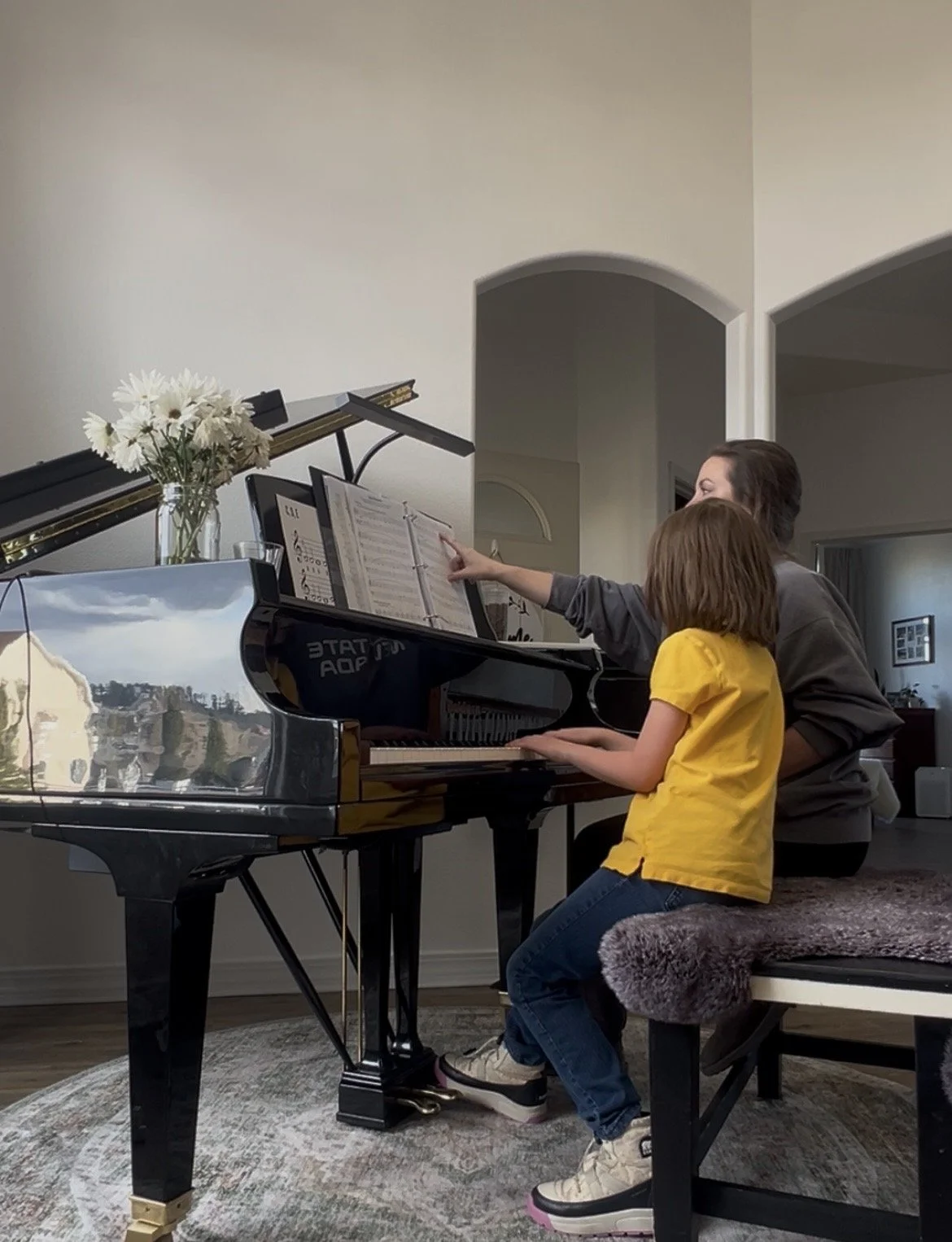
Why Curiosity Matters in Music Education
Creative resources and thoughtful teaching tools for piano teachers, students, and families who want music to make sense.
Music lessons should do more than help students press the right keys.
They should help students ask better questions, notice patterns, understand what they hear, and feel confident creating music for themselves.
At The Curious Piano Teacher, curiosity is not an extra. It is the doorway into deeper musical understanding.
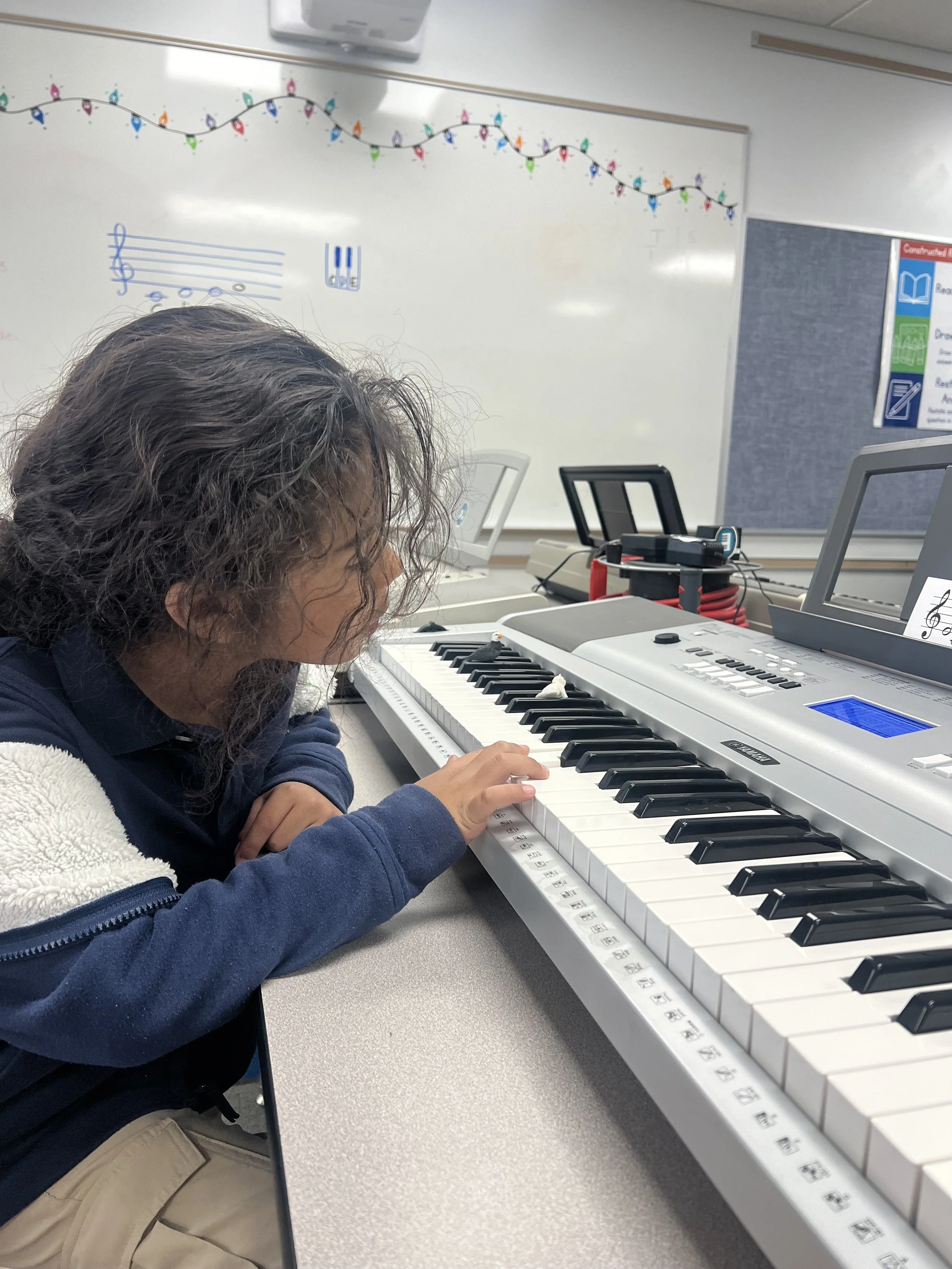
Music Is More Than Memorization
Many students learn music as a series of instructions: play this note, count this rhythm, follow this fingering, repeat until polished.
But real musicianship grows when students understand the “why” behind what they play.
When students recognize intervals, chords, patterns, phrases, and musical choices, they become more independent. They stop simply copying music and begin making sense of it. Understanding helps students feel more connected to the music they play.
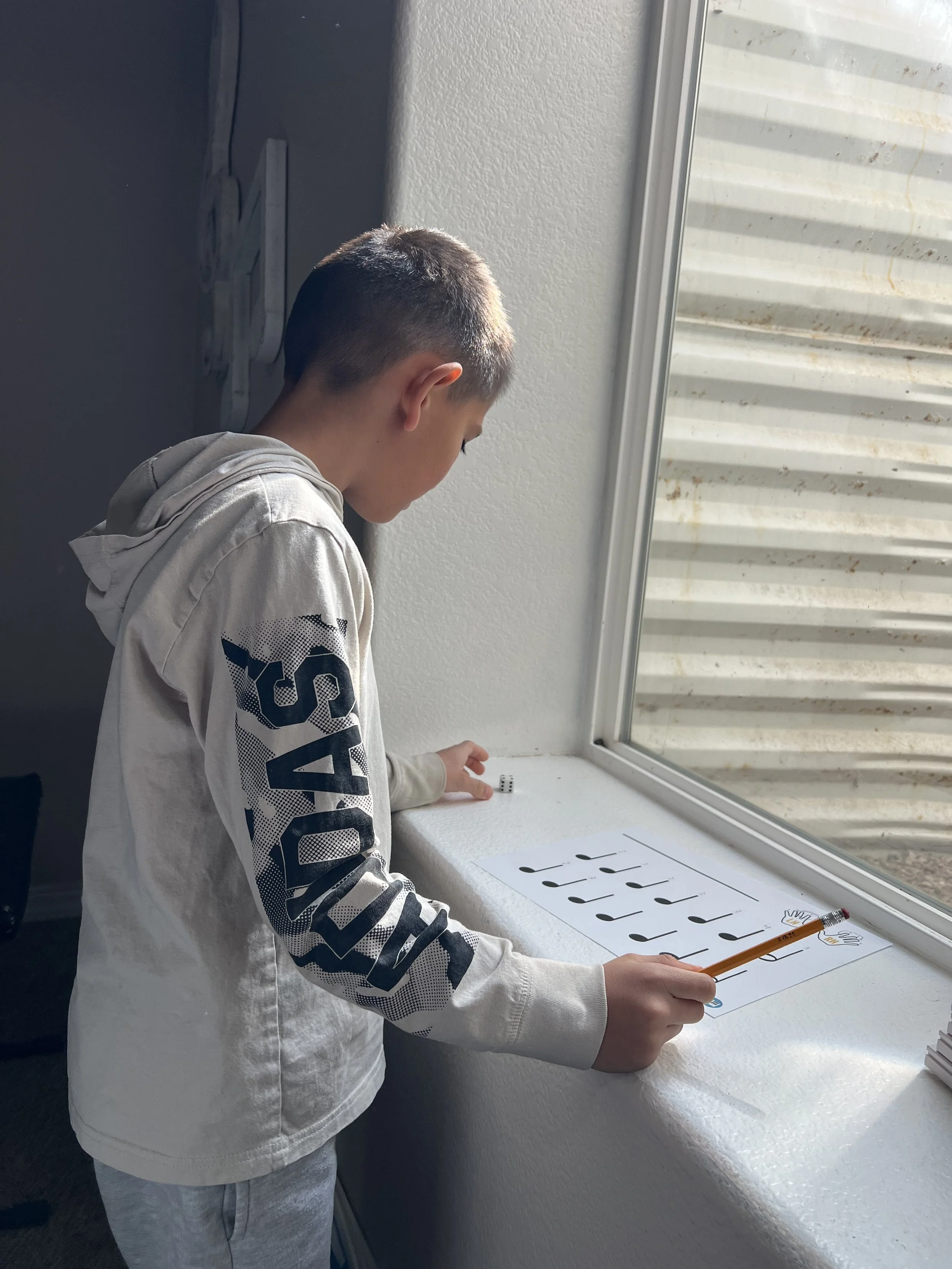
Curiosity Builds Confident Musicians
Curiosity gives students permission to explore.
What happens if we change this chord?
Why does this melody sound finished?
How did the composer create that feeling?
Can we find this pattern in another key?
These kinds of questions turn lessons into discovery. They help students become active thinkers instead of passive note-readers.
Music Theory Should Feel Musical
Theory should not feel like a separate subject students have to survive.
It should help music make sense.
When theory is connected to sound, movement, creativity, and real pieces, students begin to see it as a language they can use—not just a set of rules to memorize.
Resources for Curious Piano Teachers
The Curious Piano Teacher resources are designed to help teachers explain musical concepts with creativity, clarity, and imagination.
From music theory games to workbooks and printable activities, each resource is created to help students investigate music instead of simply complete assignments.
For Students and Families
These resources can also support students outside of lessons. Whether a child needs extra reinforcement, a parent wants helpful practice tools, or an adult learner wants music theory to finally click, curiosity-based resources make learning more approachable.
The Heart Behind the Brand
I believe students learn best when they are invited to notice, wonder, experiment, and connect.
A curious student does not just ask, “Did I play it right?”
A curious student begins to ask, “How does this music work?”
That question changes everything.
Frequently Asked Questions
-
Piano teachers, students, families, homeschoolers, and anyone who wants music theory and piano learning to feel more creative and connected.
-
No. Many resources can be used by students, parents, or adult learners as supplemental learning tools.
-
They are designed around curiosity, pattern recognition, creativity, and musical understanding—not just repetition or worksheets for the sake of worksheets.
-
Yes. They are meant to support and deepen what students are already learning.
-
Yes. Brittany Brown Piano Studio offers piano lessons in Falcon, Colorado and online.